Belarus and Georgia are dangerous reminders of what happens when you create a security vacuum and open the door to Russian interference. The United States and European Union should keep a watchful eye on Georgia. Despite a desire to join the EU and NATO’s popularity among the general public, the governments aren’t going in the right direction for membership of either country, – writes Ben Hodges.

In recent years, Georgia seems to have a determination to cut itself off at the knees. According to the National Statistics Office of Georgia, the amount of foreign direct investment (FDI) has fallen some 40 percent since 2017, and the government only has itself to blame.
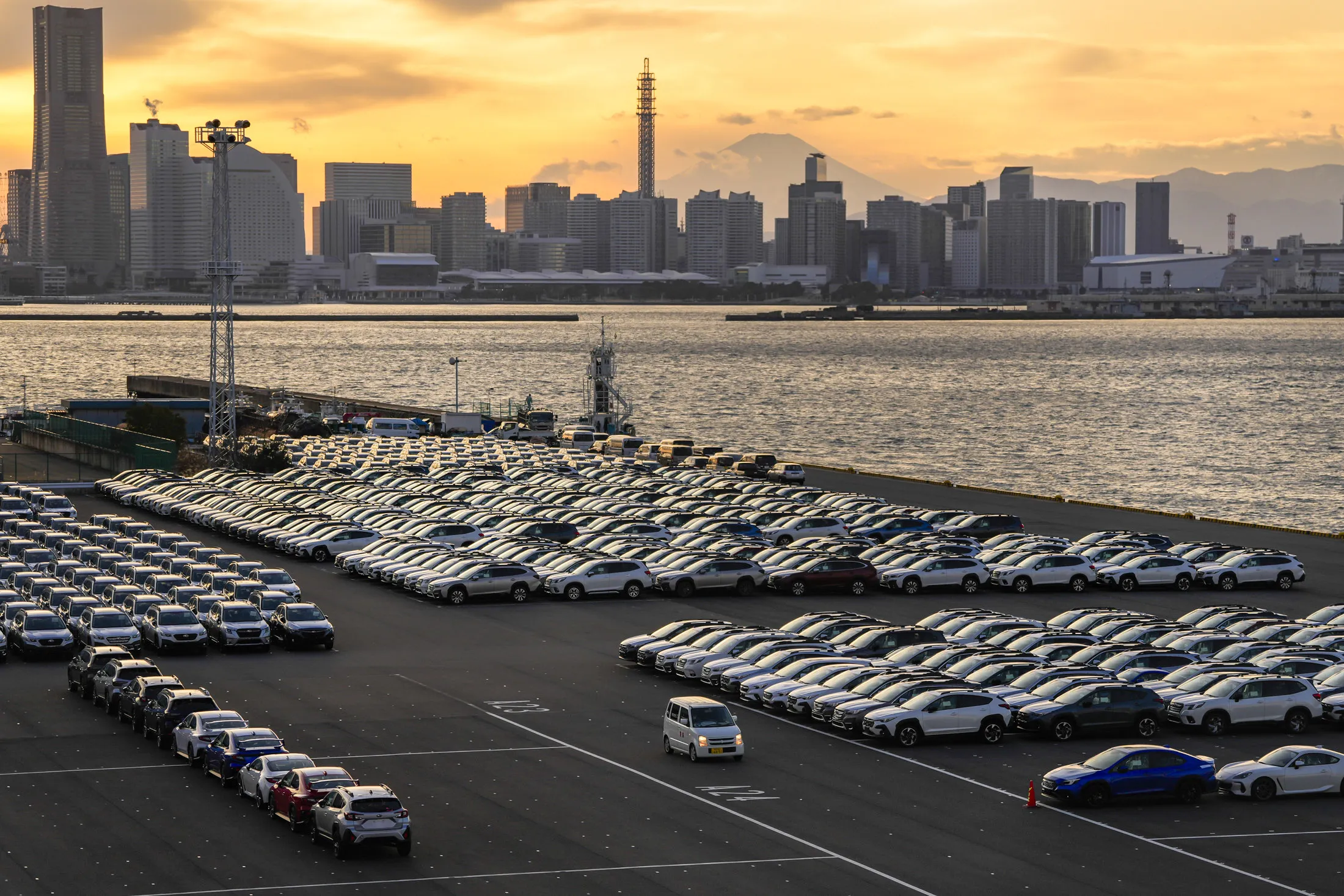
The Georgian government has been on an unexplainable quest to run foreign investors out of town. There are two prime examples of this. The first was the country’s proposed first deep-water port in Anaklia. Costing $2.5 billion and boasting a planned depth of 16 meters, it would be able to dock any ship in the world and was meant to play a huge part of the country’s roadmap to reinvent itself into a hub for intercontinental trade between Asia and Europe.
It would have attracted logistics and transportation investment from across Western Europe — encouraging nations such as Germany and the Netherlands, among others, to take an interest in security and stability in Georgia. Ultimately, this would have drawn a lot more attention to Russia’s continued illegal occupation of Abkhazia and south Ossetia.
The Port of Anaklia would also make Romania, at the other end of the Black Sea — with its large but underutilized seaport of Constanta, at the mouth of the Danube River — a much more important economic player in the greater Black Sea region. This would, in turn, add impetus to improving the usefulness of the Danube for large-scale commerce and improving the frail transportation network of Romania.
But the Kremlin does not want this. Drawing more attention to its illegal occupation of 20 percent of Georgia or improving the economy of Romania are not in Russia’s interests, which is why the Kremlin worked so hard to undermine the Anaklia project.
So the Georgian government torpedoed the deal by refusing to underwrite loans from investors and international development organizations, forcing investors to enter arbitration last month. Further FDI will be hard to come by until the case is solved.
The second incident is far more worrying from the standpoint of security, democracy and rule of law. Last year, an Azeri company that is building a digital corridor of fiber optic cable from Asia to Europe paid $61 million to acquire a 49 percent share of the Georgian company Caucasus Online, in order to secure the Georgian part of the pipeline. Representatives of the owners had many meetings with senior government officials and the Georgian National Communications Commission (GNCC), the national regulator, to keep them fully informed.
This should have been a deal that Georgia, the U.S. and Europe would be heavily in favor of, because it would increase the country’s digital independence from Russia. And after the large-scale cyber attack on Georgia last October, which was blamed on Russia, you would be forgiven for assuming it would be a Georgian priority, especially because alternate routes include Iran and Russia itself.
But now that the deal has gone through, the Georgian government is trying to have it reversed and has gone so far as to push through changes to the telecommunications law via late-night meetings in Parliament. These new laws give the GNCC unprecedented powers over the private sector — unheard of in a modern democracy.
One of the most concerning aspects of the amendments is the creation of “special government administrators” who have almost unlimited power over telecoms companies. They have been given the power to appoint or dismiss company directors and their supervisory boards; file a lawsuit against contracts made a year before their appointment and demand their annulment; or restrict a company’s right to distribute profits, dividends and bonuses, or to increase their salaries. It’s a playbook for potential corruption and curtailing of free speech that could quickly spread to other industries. Couple this with a lack of foreign investment and there is a tried-and-tested formula for a state to turn its back on democracy and essentially turn into a new Belarus.
Right now, the internet in Belarus has been bid to curb the protests against President Alexander Lukashenko, and the Georgian government may have just given themselves the power to flick the switches.
Both of these FDI deals would have gone against Russian interests, and both of them are in the process of being shot down by the representatives who should be most in favor.
Private investment is the third leg of a stool, along with defense cooperation and diplomacy, essential to building prosperity, security and stability. If Georgia wants to fulfill its potential as a Western liberal democracy, to further its Western integration and gain the benefits of improved security and quality of life, it must make itself attractive to this investment. Disappointingly, especially for the talented young people of Georgia, the government seems to be going in another direction.
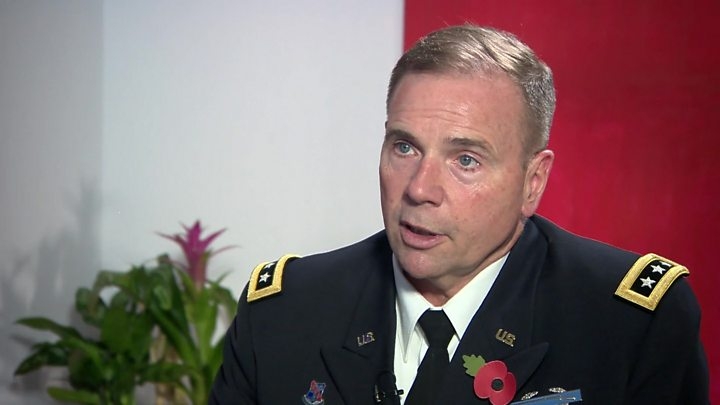
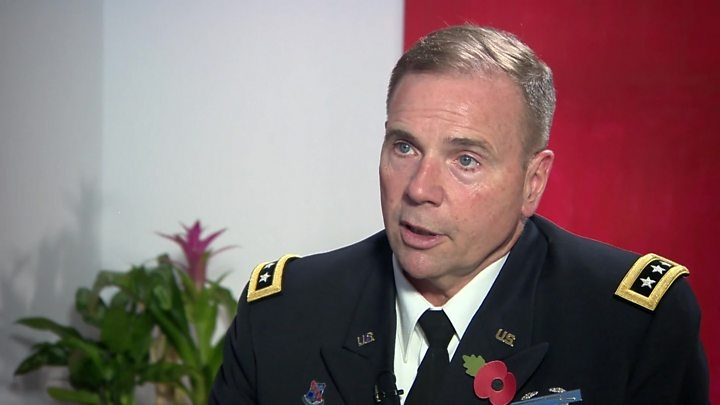
Retired Lt. Gen. Ben Hodges was the Commanding General, United States Army Europe, and is currently the Pershing Chair in Strategic Studies at the Center for European Policy Analysis in Washington, D.C.