
Subscribe
  • ყველა სიახლე
    • ბიზნესი
    • ეკონომიკა
    • ფინანსები
    • პოლიტიკა
    • საქართველო
    • მსოფლიო
    • ტექნოლოგიები
    • ყველა სიახლე
  • Forbes პერსონა
    • ინტერვიუ
    • ანტრეპრენიორები
    • მენეჯერები
  • Forbes Life
    • კულტურა
    • სპორტი
    • მოგზაურობა
    • სტილი
    • რჩევები
  • მოსაზრება
    • რედაქტორის სვეტი
    • ბლოგები
    • ოპედი
    • CopyPaste
  • 30u30
    • თბილისის ბიზნეს ისტორიები
    • Forbes Auto
    • Forbes Culture
    • Forbes GREEN
    • Forbes Science
    • Forbes Sport
    • FORBES TECH
  • პროექტები
    • 30 Under 30
    • Forbes Banker
    • Forbes Infrastructure
    • Forbes Property
    • Forbes Georgia in English
    • HEALTH
    • Forbes Woman
  • ღონისძიებები
  • რეიტინგი
  • ყველა სიახლე
    • ბიზნესი
    • ეკონომიკა
    • ფინანსები
    • პოლიტიკა
    • საქართველო
    • მსოფლიო
    • ტექნოლოგიები
    • ყველა სიახლე
  • Forbes პერსონა
    • ინტერვიუ
    • ანტრეპრენიორები
    • მენეჯერები
  • Forbes Life
    • კულტურა
    • სპორტი
    • მოგზაურობა
    • სტილი
    • რჩევები
  • მოსაზრება
    • რედაქტორის სვეტი
    • ბლოგები
    • ოპედი
    • CopyPaste
  • 30u30
    • თბილისის ბიზნეს ისტორიები
    • Forbes Auto
    • Forbes Culture
    • Forbes GREEN
    • Forbes Science
    • Forbes Sport
    • FORBES TECH
  • პროექტები
    • 30 Under 30
    • Forbes Banker
    • Forbes Infrastructure
    • Forbes Property
    • Forbes Georgia in English
    • HEALTH
    • Forbes Woman
  • ღონისძიებები
  • რეიტინგი

Wasted State

by მაგდა დოლიძე
February 28, 2021
in Forbes Georgia in English
0
Wasted State
0
SHARES
0
VIEWS

THE INEFFICIENCY of state-owned enterprises (SOEs) is a well-established fact, nevertheless due to many reasons, this phenomenon exists in most countries. Social or security benefits tend to counterbalance the ills of SOEs, but when inefficiency turns into waste and asset degradation, it creates social and security threats. I won’t bore you with academic judgment, instead I merely want to highlight some recent data from Georgia.

For international observers, Georgia’s misfortune with SOEs might seem even more striking considering the country’s reform driven agenda and the country’s recent development.

In the World Bank’s Doing Business 2020 survey, Georgia ranks 7 out of 190 countries. In the TI’s Corruption Perceptions Index 2018, Georgia ranks 41 out of 180 countries, which makes it the “cleanest” in the region and “cleaner” than its EU member peers. Moreover, Georgia ranks 16th – on par with Luxembourg – in the Heritage’s Economic Freedom Index 2019.

Despite the country’s relatively clean and business friendly profile, the performance of SOEs is as bad as it could possibly be.

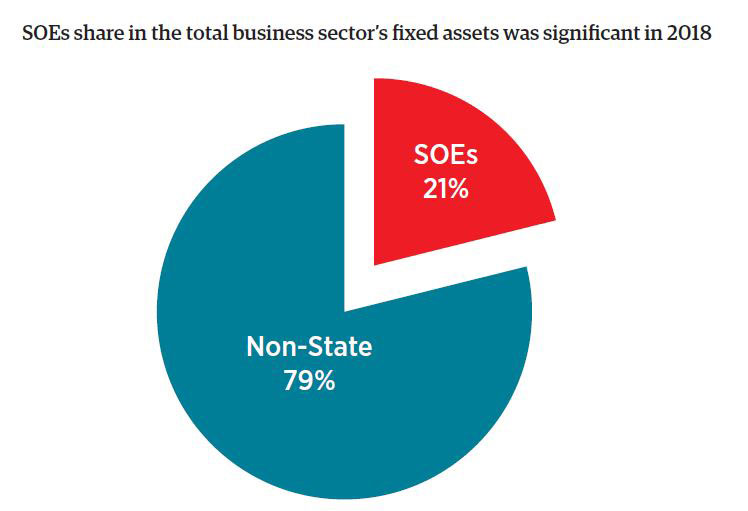
According to the National Statistics Office of Georgia, in 2018, SOEs’ share of total business sector fixed assets was 21%, which equates to 7,050.6 million GEL (1 USD = 3 GEL).

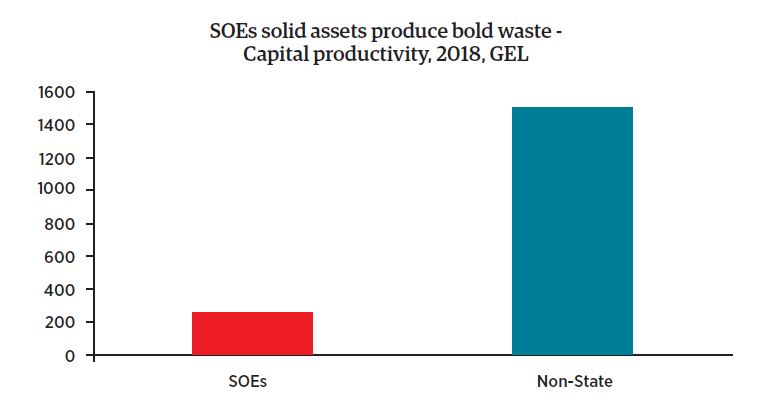
SOEs have a glut of fixed assets, but given they do not make a profit, this infrastructure is wasted. The capital productivity of SOEs (output per 1,000 GEL of fixed capital) equates to 260 GEL, while privately-owned enterprises’ capital productivity reaches 1,491 GEL.

In labor productivity (per employee), SOEs follow the same trend, totaling 32,424 GEL versus 58,759 GEL in privately-owned enterprises.

SOEs in total employ 56,677 people, that is 7.7% of the total workforce employed in the business sector. Some tend to excuse SOEs non-performance due to their social importance, however, they provide far worse working conditions for their employees when compared to their private peers. The average monthly salary per worker in SOEs is 991 GEL; the same type of worker is paid 1,111 GEL in a privately-owned company.

The state-owned Georgian Railway employs 12,500 people, only a handful of them are in top management positions, most of them are ordinary workers. The average salary for top management is around 5,870 GEL, whilst most of the workers’ wages are below SOEs average and are around 670 GEL.

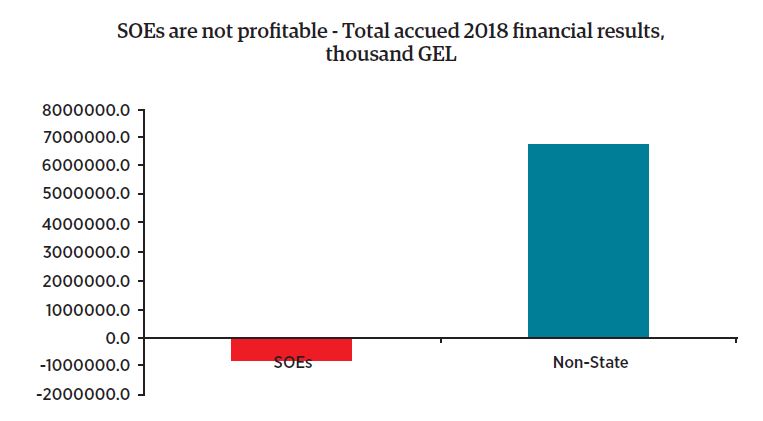
In 2018, SOEs ended up with operating losses of -739,237.4 thousand GEL (total accrued financial results), while their private peers finished with a profit of 6,665,068.7 thousand GEL. This trend, which has been the same for the last few years, threatens not only companies’ financial stability and their social roles, but also it endangers important state assets through degradation.

Georgia has seen some ruined enterprises after privatization too, but this was within the environment of a failed state. Quality investors brought into Georgian industry are the drivers of business growth, supported by state policies to ensure fair competition. Unless the current crisis is resolved, Georgia’s remaining stateowned wealth might simply just vanish.  
Previous Post

2020

Next Post

რა გაძვირდა ყველაზე მეტად 2019 წელს?

მაგდა დოლიძე

Next Post
რა გაძვირდა ყველაზე მეტად 2019 წელს?

რა გაძვირდა ყველაზე მეტად 2019 წელს?

Stay Connected test

  • 23.9k Followers
  • 99 Subscribers
  • Trending
  • Comments
  • Latest
როგორ ეხმარება Justice League-ი ბიზნესებს ციფრულ ეპოქაში?

როგორ ეხმარება Justice League-ი ბიზნესებს ციფრულ ეპოქაში?

April 6, 2026
ბეზოსი $6.2-მილიარდიან AI-სტარტაპს აარსებს და მისი თანახელმძღვანელი იქნება

ბეზოსი $6.2-მილიარდიან AI-სტარტაპს აარსებს და მისი თანახელმძღვანელი იქნება

March 17, 2026
პატარა ბაზარი, დიდი შესაძლებლობები — როგორ ვაქციოთ საქართველოს მცირე ზომა უპირატესობად

პატარა ბაზარი, დიდი შესაძლებლობები — როგორ ვაქციოთ საქართველოს მცირე ზომა უპირატესობად

April 8, 2025
„ქალაქი უპუროთ“

„ქალაქი უპუროთ“

March 7, 2023
Moderna კორონავირუსის საწინააღმდეგო ვაქცინის გლობალური მიწოდებისთვის ემზადება

Moderna კორონავირუსის საწინააღმდეგო ვაქცინის გლობალური მიწოდებისთვის ემზადება

0
ცუკერბერგი ყველა თანამშრომელს მადლიერების დღისთვის ერთკვირიან არდადეგებს აძლევს

ცუკერბერგი ყველა თანამშრომელს მადლიერების დღისთვის ერთკვირიან არდადეგებს აძლევს

0
ევროპის მასშტაბით კორონავირუსის ახალი სახეობა ვრცელდება – მკვლევარები

ევროპის მასშტაბით კორონავირუსის ახალი სახეობა ვრცელდება – მკვლევარები

0
პარიზში Disneyland-ი კიდევ ერთხელ დაიხურა

პარიზში Disneyland-ი კიდევ ერთხელ დაიხურა

0
როგორ ეხმარება Justice League-ი ბიზნესებს ციფრულ ეპოქაში?

როგორ ეხმარება Justice League-ი ბიზნესებს ციფრულ ეპოქაში?

April 6, 2026
Martin Lindstrom – the World’s #1 Branding Expert – Leads the Rebranding of Archi

Martin Lindstrom – the World’s #1 Branding Expert – Leads the Rebranding of Archi

March 17, 2026
მარტინ ლინდსტრომმა – ბრენდინგის #1 ექსპერტმა მსოფლიოში – „არქის“ რებრენდინგი განახორციელა

მარტინ ლინდსტრომმა – ბრენდინგის #1 ექსპერტმა მსოფლიოში – „არქის“ რებრენდინგი განახორციელა

March 17, 2026
თებერვალში ფულადი გზავნილები 26.9%-ით შემცირდა – საიდან გადმორიცხეს ყველაზე მეტი?

ოქტომბერში ფულადი გზავნილები 13.4%-ით გაიზარდა – საიდან გადმორიცხეს ყველაზე მეტი?

November 17, 2025

Recent News

როგორ ეხმარება Justice League-ი ბიზნესებს ციფრულ ეპოქაში?

როგორ ეხმარება Justice League-ი ბიზნესებს ციფრულ ეპოქაში?

April 6, 2026
Martin Lindstrom – the World’s #1 Branding Expert – Leads the Rebranding of Archi

Martin Lindstrom – the World’s #1 Branding Expert – Leads the Rebranding of Archi

March 17, 2026
მარტინ ლინდსტრომმა – ბრენდინგის #1 ექსპერტმა მსოფლიოში – „არქის“ რებრენდინგი განახორციელა

მარტინ ლინდსტრომმა – ბრენდინგის #1 ექსპერტმა მსოფლიოში – „არქის“ რებრენდინგი განახორციელა

March 17, 2026
თებერვალში ფულადი გზავნილები 26.9%-ით შემცირდა – საიდან გადმორიცხეს ყველაზე მეტი?

ოქტომბერში ფულადი გზავნილები 13.4%-ით გაიზარდა – საიდან გადმორიცხეს ყველაზე მეტი?

November 17, 2025
NewsLetter

სიახლეები თქვენს ინბოქსში

Facebook Instagram Linkedin Tiktok X-twitter Youtube

კატეგორიები

  • ახალი ამბები
  • პროფილი
  • მოსაზრებები
  • რეიტინგი
  • ღონისძიებები
  • გამოცემები
  • 30 Under 30
  • Forbes Women
  • Forbes
  • ჩვენ შესახებ
  • რეკლამა
  • სარედაქციო კოდექსი
  • მასალის გამოყენების პირობები
  • კონტაქტი

Developed By Web Features © 2026 All Rights Reserved

No Result
View All Result