Subscribe
  • ყველა სიახლე
    • ბიზნესი
    • ეკონომიკა
    • ფინანსები
    • პოლიტიკა
    • საქართველო
    • მსოფლიო
    • ტექნოლოგიები
    • ყველა სიახლე
  • Forbes პერსონა
    • ინტერვიუ
    • ანტრეპრენიორები
    • მენეჯერები
  • Forbes Life
    • კულტურა
    • სპორტი
    • მოგზაურობა
    • სტილი
    • რჩევები
  • მოსაზრება
    • რედაქტორის სვეტი
    • ბლოგები
    • ოპედი
    • CopyPaste
  • 30u30
    • თბილისის ბიზნეს ისტორიები
    • Forbes Auto
    • Forbes Culture
    • Forbes GREEN
    • Forbes Science
    • Forbes Sport
    • FORBES TECH
  • პროექტები
    • 30 Under 30
    • Forbes Banker
    • Forbes Infrastructure
    • Forbes Property
    • Forbes Georgia in English
    • HEALTH
    • Forbes Woman
  • ღონისძიებები
  • რეიტინგი
  • ყველა სიახლე
    • ბიზნესი
    • ეკონომიკა
    • ფინანსები
    • პოლიტიკა
    • საქართველო
    • მსოფლიო
    • ტექნოლოგიები
    • ყველა სიახლე
  • Forbes პერსონა
    • ინტერვიუ
    • ანტრეპრენიორები
    • მენეჯერები
  • Forbes Life
    • კულტურა
    • სპორტი
    • მოგზაურობა
    • სტილი
    • რჩევები
  • მოსაზრება
    • რედაქტორის სვეტი
    • ბლოგები
    • ოპედი
    • CopyPaste
  • 30u30
    • თბილისის ბიზნეს ისტორიები
    • Forbes Auto
    • Forbes Culture
    • Forbes GREEN
    • Forbes Science
    • Forbes Sport
    • FORBES TECH
  • პროექტები
    • 30 Under 30
    • Forbes Banker
    • Forbes Infrastructure
    • Forbes Property
    • Forbes Georgia in English
    • HEALTH
    • Forbes Woman
  • ღონისძიებები
  • რეიტინგი

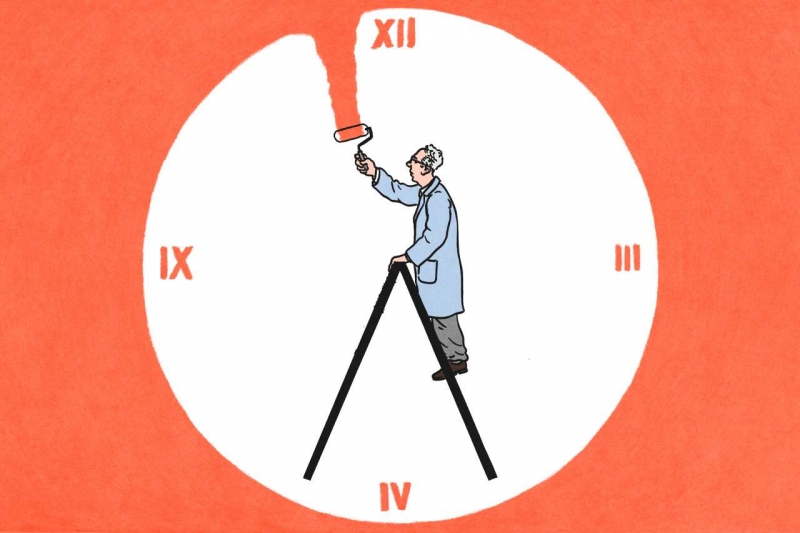
Scientists Have Pinpointed the Most Productive Time of the Day, and it’s Not the Crack of Dawn

by მაგდა დოლიძე
February 15, 2021
in English
0
Scientists Have Pinpointed the Most Productive Time of the Day, and it’s Not the Crack of Dawn
0
SHARES
0
VIEWS

You’ve probably come across all sorts of tips for “maximizing productivity” while working from home.

From going on midday walks to actually eating breakfast for a change, there’s no shortage of advice for how to make the most out of your workday. But according to a new study, being productive isn’t so much about what you’re doing as when you’re doing it.

Researchers from Monash University in Australia and the University of Granada in Spain set out to pinpoint the exact time of day we’re most efficient when performing cognitive tasks — everything from paying attention during meetings to interpreting complex data.

The sweet spot for performance? Right around lunchtime.

The study, which was published in a new working paper by the IZA Institute of Labor Economics, a nonprofit research institute based in Germany, analyzed half a million exams taken by university students in the United Kingdom at three distinct times of day: 9:00 a.m., 1:30 p.m., and 4:30 p.m.

Based on five years of exam scores, and an average of six exams per student, the researchers found that “peak performance” happens during that 1:30 p.m. slot.

There’s some wiggle room, obviously. Maybe you’re too “hangry” at lunchtime to even think about work, or tend to get your best work done right after that first cup of coffee hits at 9 a.m. But the nature of the study — it’s large sample size and the fact that the exam times were randomly-selected — isolated the effect of cognitive functioning on productivity from these other types of behavioral responses, says Denni Tommasi, an assistant professor of economics at Monash University and an author of the paper.

“I can drink as much coffee as I want or I can eat as much chocolate as I want to try to adapt,” Tommasi says. But in the end, our brains decide when we’re naturally the most productive. And for many people, that’s in the early afternoon.

So what exactly is a “cognitive task,” and how often do you perform one throughout the day?

All the time, most likely. These are any activities that require you to retrieve information from memory or process new information. While school tests are one way to flex your cognitive skills, many professionals do cognitive tasks as well, like doctors performing surgery. Or — and these likely hit closer to home for many of us — making a tough business decision, and contributing to a brainstorming meeting.

Now onto what makes early afternoon — the time you might want a mid-afternoon nap — the prime time to get these tasks done.

It all has to do with our circadian rhythm, or the internal, 24-hour biological clock that helps our body anticipate when the sun will be up (signaling our brains to be active) or when it will be down (telling our brains to go to sleep), says Kristen Knutson, an associate professor of neurology at Northwestern University who consulted on the study.

 “We can’t be ready to run a race 24/7,” Knutson says. “There are times when our body needs to be resting and there are times when we need to be awake and active.”

The timing of our internal clock changes as we age (remember staying up until 2 a.m. as a teenager?). So while the sweet spot for young adults is early afternoon, the prime productivity window shifts earlier as we get older. Our genetics and social environments can also impact our internal rhythm. If your friends are all night owls, for example, you might adjust to staying up late. Or if your job requires you to be up at the crack of dawn, you might find yourself becoming a morning person.

Tommasi and his co-author Alessio Gaggero, a research fellow at the University of Granada, also found that the time-of-day effects varied seasonally. Moving an exam from the morning to lunchtime in January increases a student’s performance twice as much as making that move in June. There’s less sunlight in January, so the circadian clock starts later, meaning the brain starts working “better” later. The effects were also stronger for tasks that use what experts call “fluid intelligence,” which involves activities like problem-solving and logical thinking versus “crystallized intelligence,” like knowledge and vocabulary. So these time-of-day effects were stronger for STEM (science, technology, engineering, and mathematics) students than they were for non-STEM students.

At this point you might be wondering how to cram your entire to-do list into tomorrow’s early afternoon. Sorry: We’re not giving you an excuse to shorten your 9 to 5 day from noon to 2.

The researchers’ advice? Pick the one most important task you have to do and complete it before lunchtime.


Money.com

Previous Post

მეცნიერები გონებრივი სამუშაოს შესრულებისთვის დღის ყველაზე პროდუქტიულ მონაკვეთს ასახელებენ

Next Post

საქართველოს ბანკის მხარდაჭერით ბათუმში უეფა-ს IV კატეგორიის საფეხბურთო სტადიონი გაიხსნება

მაგდა დოლიძე

Next Post
საქართველოს ბანკის მხარდაჭერით ბათუმში უეფა-ს IV კატეგორიის საფეხბურთო სტადიონი გაიხსნება

საქართველოს ბანკის მხარდაჭერით ბათუმში უეფა-ს IV კატეგორიის საფეხბურთო სტადიონი გაიხსნება

Stay Connected test

  • 23.9k Followers
  • 99 Subscribers
  • Trending
  • Comments
  • Latest
როგორ ეხმარება Justice League-ი ბიზნესებს ციფრულ ეპოქაში?

როგორ ეხმარება Justice League-ი ბიზნესებს ციფრულ ეპოქაში?

April 6, 2026
ბეზოსი $6.2-მილიარდიან AI-სტარტაპს აარსებს და მისი თანახელმძღვანელი იქნება

ბეზოსი $6.2-მილიარდიან AI-სტარტაპს აარსებს და მისი თანახელმძღვანელი იქნება

March 17, 2026
პატარა ბაზარი, დიდი შესაძლებლობები — როგორ ვაქციოთ საქართველოს მცირე ზომა უპირატესობად

პატარა ბაზარი, დიდი შესაძლებლობები — როგორ ვაქციოთ საქართველოს მცირე ზომა უპირატესობად

April 8, 2025
„ქალაქი უპუროთ“

„ქალაქი უპუროთ“

March 7, 2023
Moderna კორონავირუსის საწინააღმდეგო ვაქცინის გლობალური მიწოდებისთვის ემზადება

Moderna კორონავირუსის საწინააღმდეგო ვაქცინის გლობალური მიწოდებისთვის ემზადება

0
ცუკერბერგი ყველა თანამშრომელს მადლიერების დღისთვის ერთკვირიან არდადეგებს აძლევს

ცუკერბერგი ყველა თანამშრომელს მადლიერების დღისთვის ერთკვირიან არდადეგებს აძლევს

0
ევროპის მასშტაბით კორონავირუსის ახალი სახეობა ვრცელდება – მკვლევარები

ევროპის მასშტაბით კორონავირუსის ახალი სახეობა ვრცელდება – მკვლევარები

0
პარიზში Disneyland-ი კიდევ ერთხელ დაიხურა

პარიზში Disneyland-ი კიდევ ერთხელ დაიხურა

0
როგორ ეხმარება Justice League-ი ბიზნესებს ციფრულ ეპოქაში?

როგორ ეხმარება Justice League-ი ბიზნესებს ციფრულ ეპოქაში?

April 6, 2026
Martin Lindstrom – the World’s #1 Branding Expert – Leads the Rebranding of Archi

Martin Lindstrom – the World’s #1 Branding Expert – Leads the Rebranding of Archi

March 17, 2026
მარტინ ლინდსტრომმა – ბრენდინგის #1 ექსპერტმა მსოფლიოში – „არქის“ რებრენდინგი განახორციელა

მარტინ ლინდსტრომმა – ბრენდინგის #1 ექსპერტმა მსოფლიოში – „არქის“ რებრენდინგი განახორციელა

March 17, 2026
თებერვალში ფულადი გზავნილები 26.9%-ით შემცირდა – საიდან გადმორიცხეს ყველაზე მეტი?

ოქტომბერში ფულადი გზავნილები 13.4%-ით გაიზარდა – საიდან გადმორიცხეს ყველაზე მეტი?

November 17, 2025

Recent News

როგორ ეხმარება Justice League-ი ბიზნესებს ციფრულ ეპოქაში?

როგორ ეხმარება Justice League-ი ბიზნესებს ციფრულ ეპოქაში?

April 6, 2026
Martin Lindstrom – the World’s #1 Branding Expert – Leads the Rebranding of Archi

Martin Lindstrom – the World’s #1 Branding Expert – Leads the Rebranding of Archi

March 17, 2026
მარტინ ლინდსტრომმა – ბრენდინგის #1 ექსპერტმა მსოფლიოში – „არქის“ რებრენდინგი განახორციელა

მარტინ ლინდსტრომმა – ბრენდინგის #1 ექსპერტმა მსოფლიოში – „არქის“ რებრენდინგი განახორციელა

March 17, 2026
თებერვალში ფულადი გზავნილები 26.9%-ით შემცირდა – საიდან გადმორიცხეს ყველაზე მეტი?

ოქტომბერში ფულადი გზავნილები 13.4%-ით გაიზარდა – საიდან გადმორიცხეს ყველაზე მეტი?

November 17, 2025
NewsLetter

სიახლეები თქვენს ინბოქსში

Facebook Instagram Linkedin Tiktok X-twitter Youtube

კატეგორიები

  • ახალი ამბები
  • პროფილი
  • მოსაზრებები
  • რეიტინგი
  • ღონისძიებები
  • გამოცემები
  • 30 Under 30
  • Forbes Women
  • Forbes
  • ჩვენ შესახებ
  • რეკლამა
  • სარედაქციო კოდექსი
  • მასალის გამოყენების პირობები
  • კონტაქტი

Developed By Web Features © 2026 All Rights Reserved

No Result
View All Result